Toppits® Baking Aluminum Foil

flexible, non-stick and easy to use!

It combines the advantages of baking paper and aluminium foil and adapts flexibly to any baking pan. Thanks to the non-stick coating, cakes, pizza and the like can be removed effortlessly and without any greasing.


  • Nothing sticks thanks to non-stick coating
  • Tear-resistant
  • Dimensionally stable
  • Heat resistant up to 220°C
  • The oven stays clean

Perfect preparation for any baking project

Effortless baking prep

Flexible, tear-resistant and a perfect fit!

Whether for the cake buffet or a homemade pizza with friends - the Toppits® Baking Aluminum Foil is the ideal solution for a wide variety of baking pans and tray sizes. It is easy to cut to size, is tear-resistant and prevents holes or tears when lining the mold. This saves you from cutting baking paper and provides a stable foundation for your baked goods. Aluminum foil is particularly practical when baking dough that rises strongly or sticks to the edges, as it adapts flexibly to any baking pan and ensures an even baking result. Whether round or square shapes - bases and edges can be lined effortlessly so that your dough rises optimally during baking without sticking to the edges. The baking aluminum foil also ensures that the dough is evenly distributed and the end result gets a perfect shape. Especially for baking trays with corners or edges, it offers a stable basis so that the dough does not leak or tear irregularly.

Gegarte Kürbisstücke werden in einen Gefrierbeutel gefüllt, Backblech mit Toppits Back-Alufolie liegt daneben.
Lachswürfel liegen auf einem mit Toppits Back-Alufolie ausgelegten Backblech.

Bake quickly, easily and reliably

No sticking, no tearing

for perfect baking results!

The Toppits® Baking Aluminum Foil is easy to shape and adheres securely to the edge of the baking pan. This is particularly practical for doughs that rise strongly or tend to stick to the edges. With the baking aluminum foil, the baked goods can be removed without cakes or other treats sticking to the mold. Particularly delicate baked goods, such as sponge cake or tarts, retain their flawless shape and are easier to remove. The stable coating keeps the cake intact and prevents unsightly cracks or uneven surfaces. In addition, the baking aluminum foil can withstand temperatures of up to 220°C and is perfect for a wide variety of oven dishes, from juicy quiches to crispy puff pastry. This makes every baking project quick, clean and easy!


Available sizes

Baking Aluminum Foil


Length
6 m


Width
38 cm


Your questions – our answers

Even if it may be a little sobering: In most cases, it doesn't matter which side of aluminum foil is used and how. The two sides of aluminum foil, matt and glossy, have hardly any different properties for packing food. However, if you want to know exactly, you are well advised to use the physical explanation : Glossy surfaces reflect light and heat better than matt ones. Depending on whether the food to be wrapped is to be kept warm or cooled, one side for use is the better one in each case.


How is baking aluminum foil from Toppits® used?

The baking aluminum foil from Toppits® , on the other hand, has a special non-stick coating. This is mainly used to prevent pasta from sticking to the baking tray during baking, for example. Therefore, the use here is very simple: the special coating should be placed on the side where the dough is on so that the finished cake or cookies can be easily removed from the aluminum foil after the baking process.

Aluminium foil – in which bin? Does the everyday helper belong in the residual waste or recyclable material collection? In general, aluminium is a valuable raw material and should therefore be disposed of in the recycling bin. The safest way to find out how little contaminated aluminium foil can be disposed of in your city is directly from your disposal company. If recyclables are not collected separately in your city or if the aluminium foil is heavily soiled, it is better to dispose of it in the residual waste . Heavy soiling can be caused, for example, by greasy food residues that stick very much to the foil. In this case, waste management companies recommend disposing of aluminium foil  via the residual waste collection.


What is aluminum foil made of and how do you dispose of it properly?  

In order to derive the correct disposal of aluminum foil yourself, it is best to take a look at what the aluminum foil is actually made of. Aluminum foil consists of aluminum and additives of high quality. Aluminum foil is 100% recyclable and should be collected from recyclables if possible. Thus, the disposal of the aluminum foil via the recycling bin is correct. A little tip: After use, shape the aluminum foil into a ball so that the disposal companies recognize it more easily.


Dispose of aluminium foil in an environmentally friendly way

Toppits® aluminium foil, like other aluminium products from Toppits®, belongs in the recycling collection. Why is that? Many everyday packaging is covered with aluminium foil.


These include, for example:

  • Aluminium cans
  • Aluminium trays
  • Cosmetic containers made of aluminium


Due to the recyclability of aluminium foil, aluminium foil should also be collected from recyclables if possible.


How to use and dispose of aluminium foil correctly – for the sake of the environment

Toppits ® aluminium foil is available in the normal version or as aluminium foil XL. All everyday helpers can be used for the preparation, storage and/or safe packaging of food. Toppits ® aluminium foil gets its special structure from the double-power honeycombs, which are achieved by a two-layer rolling. In addition, Toppits ® aluminium foil has a special alloy and is therefore particularly tear-resistant and heat-resistant. Due to their reliable strength, Toppits ® aluminium products can often be used several times. Toppit's ® grill trays and express grill pans in particular can often be reused, as they are particularly stable. If the aluminium foils or grill trays are no longer to be reused and disposed of, they belong in the recyclable material collection, from where the recycling process begins and the cycle continues.

Food is often prepared wrapped in aluminum foil and exposed to a higher temperature. Is health impaired if food is prepared in close contact with aluminum foil? Is the consumption of aluminum foil unhealthy? In principle, the preparation of food in aluminum foil is harmless. However, there are a few instructions for use to be able to prepare and enjoy the food practically wrapped in aluminum foil.


Gentle preparation and storage of food

The advantages of aluminum foil in the kitchen are great and versatile. Food can be prepared gently in it. Whether fish, meat or grilled vegetables - thanks to the preparation in aluminum foil from Toppits® , meals are cooked perfectly and many ingredients are retained that would be lost in open preparation.


Aluminum foil is also ideal for storing food: By covering bowls with aluminum foil or wrapping food in them, the food is prevented from drying out and the decay of the ingredients is reduced. This keeps food fresh longer and prevents it from being thrown away.

As a versatile helper, aluminum foil is therefore an indispensable part of any kitchen. Nevertheless, there are some points to consider when using the all-rounder. We explain what they are.


Avoid sour and salty foods in aluminum foil

Acidic and salty foods are a special case when dealing with aluminium foil. If these foods come into contact with aluminium foil, the foil can visibly discolour and aluminium can be dissolved from the foil. As a result, slightly more aluminium than usual can be released into the food.

Although aluminum already occurs naturally in numerous foods, too much of the metal can be unhealthy for humans.


When packaging and preparing food with aluminum foil, it is therefore important to make sure that it is not salty or acidic food. For example, a fish in lemon juice should not be brought into contact with aluminum.


For the preparation of meat or grilled vegetables, for example, this means simply salting the food only after the cooking process. This way, you can avoid any risks without any fuss.


Instead, Toppit's®  cling film is an excellent alternative for storing salty or acidic foods. This means that even salty and sour foods stay fresh – without any risk.


How much aluminium can be absorbed without risk?

But of course the question remains: How much aluminum can a person absorb without risk?


The European Food Safety Authority recommends not consuming more than one milligram of aluminium per week and per kilogram of body weight. At 70 kg, no more than 70 milligrams of aluminium should be ingested.


This amount is only achieved by using aluminum foil when food is particularly acidic or salty, as these substances can dissolve aluminum from the foil through chemical reactions. If this contact is avoided, no problems arise.


All other foods can be packed and prepared in aluminum foil without hesitation, as they are not able to remove harmful cans of aluminum from the foil. So nothing stands in the way of wrapping and preparing delicious food in aluminum foil in the future.

Have more questions? Check out our FAQs to find answers.


To the FAQs


You might also be interested in these products

Baking paper and baking sheets – For perfect baking | Toppits®

Discover the practical baking sheets and baking paper from Toppits®. Ideal for effortless baking without sticking and for perfect results!

Express BBQ Pan: Efficient Grilling | Toppits®

Toppits® Express BBQ Pan for Better Grilling! ✓ Faster & easier thanks to bottom coating. ✓ Less grease & cleaner grill. » Discover and enjoy now!

Roasting Tube: Perfect Cooking & Baking | Toppits®

Roasting Tube for juicy cooking without fat ✓ No burning, no cleaning ✓ Discover tips & tricks ✓ Application notes » Learn more!

You might also be interested in these recipes & tips

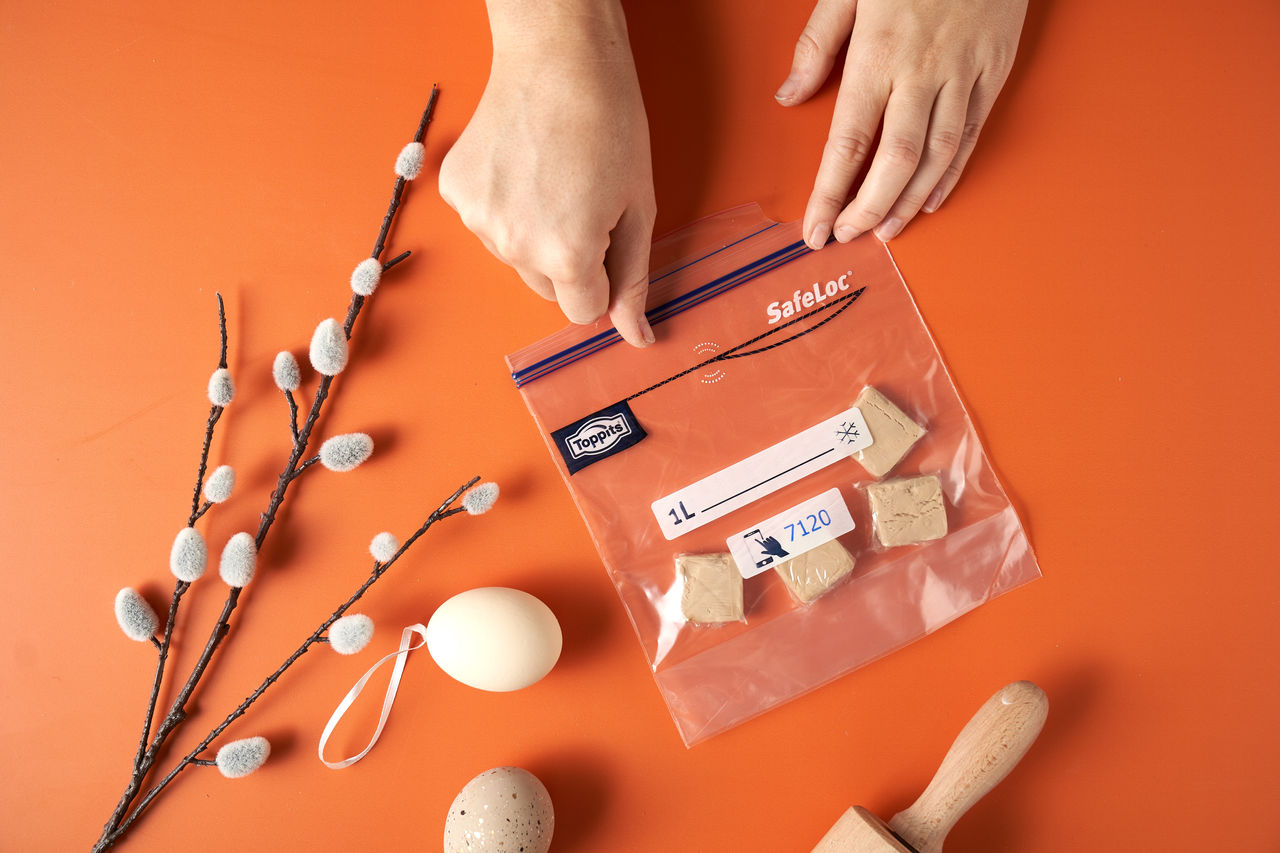
Freezing & defrosting yeast: How to do it right! | Toppits®

Freezing fresh yeast made easy! ✓ Step-by-step instructions for freezing & defrosting. ✓ Tips on shelf life and quality. » Learn more!
Zwei Hände verschließen einen Toppits SafeLoc Beutel mit mehreren Stücken frischer Hefe auf einem orangefarbenen Untergrund. Daneben liegen ein Weidenzweig mit Kätzchen, ein Osterei und ein Nudelholz

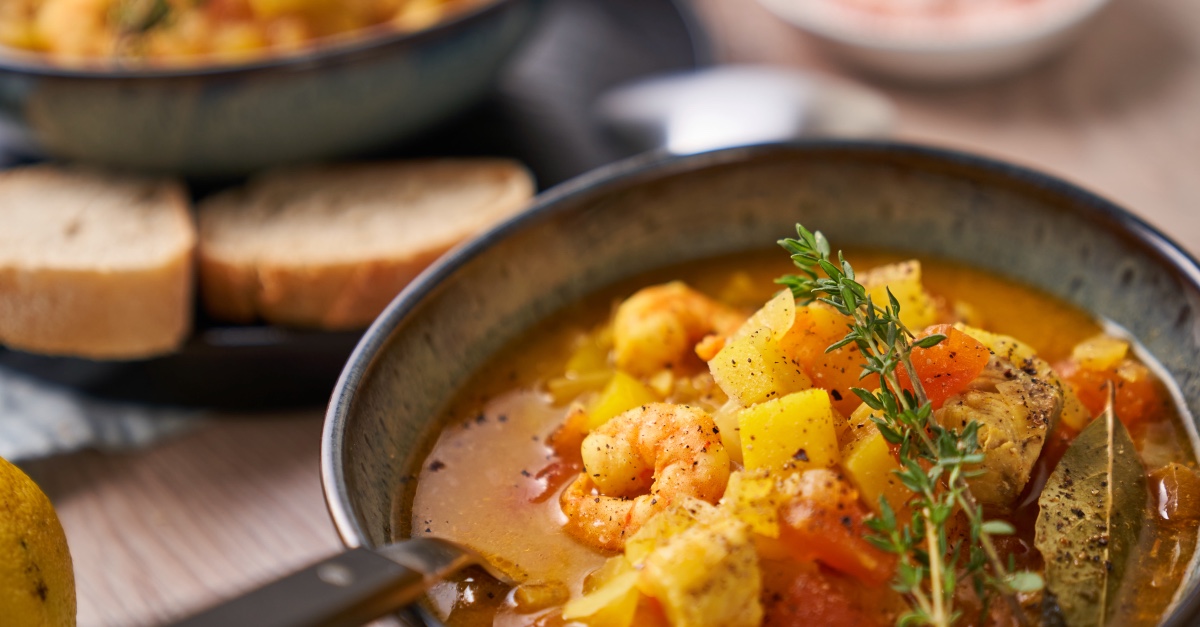
Bouillabaisse recipe: Fish soup made from leftover fish | Toppits®

Make your own light bouillabaisse from fish leftovers! ✓ Simple recipe for delicious fish soup. ✓ Leftovers made easy. » Discover recipe now!

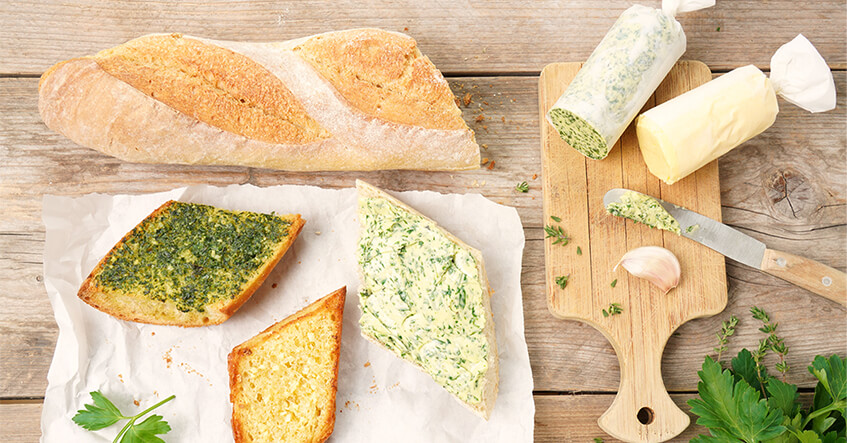
Garlic Bread Recipe: Easy & Delicious | Toppits® | Toppits®

Make your own garlic bread? ✓ Simple recipe for oven & grill. ✓ With tips for using leftovers! Garlic bread like from your favorite Italian restaurant. » More!